
Global developments · 9 October 2026
European moth Red List: Nearly 11% of assessed species face extinction risk
The first selected European assessment of moths identifies extinction risks alongside substantial data gaps. Habitat protection and stronger monitoring are among the priorities highlighted.
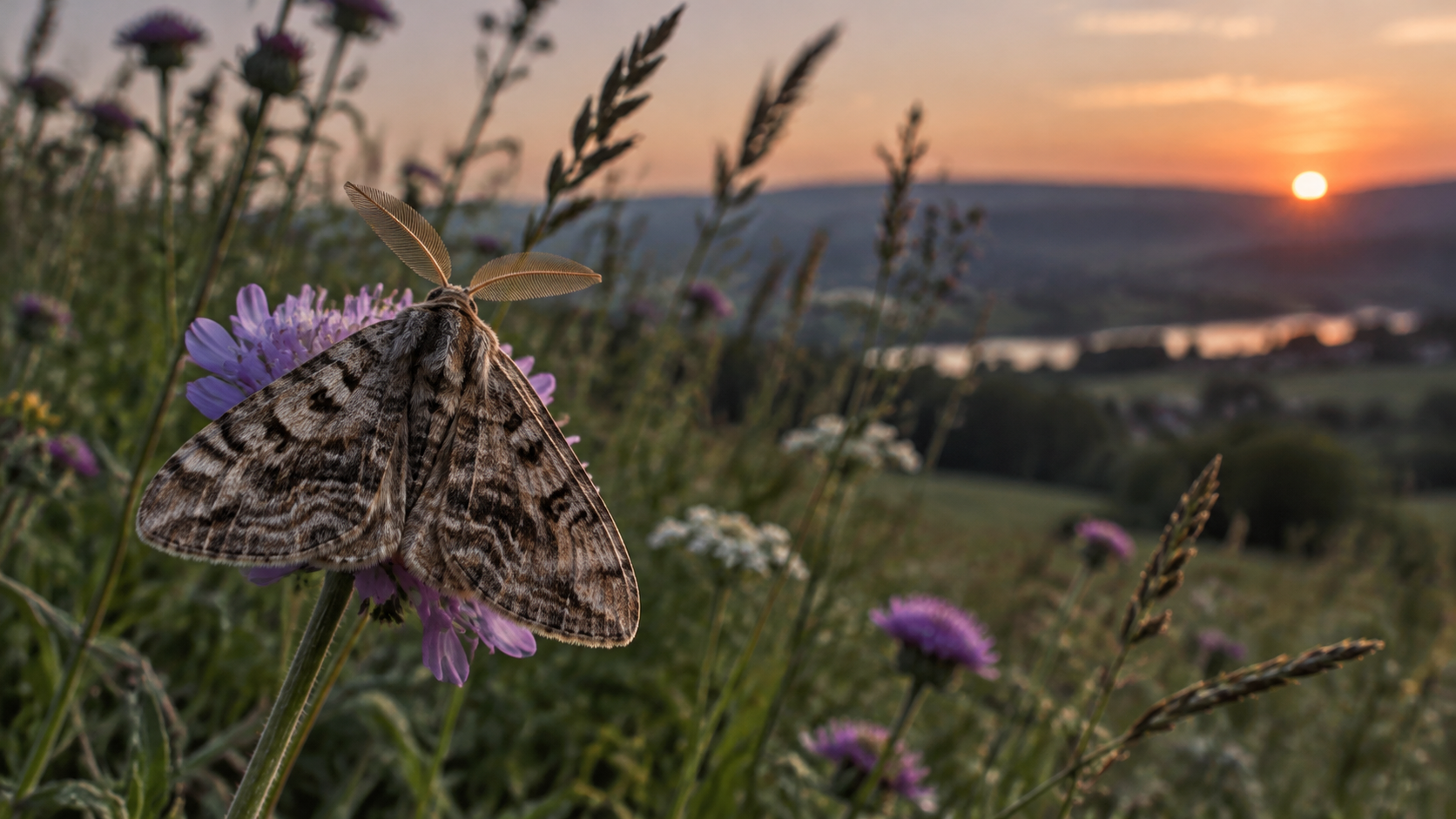
Nearly 11% of moth species assessed in Europe, and nearly 12% in the EU’s 27 countries, are threatened with extinction, according to a European Commission announcement published on 21 September 2026. The new European Red List of Moths documents the condition of this important but often overlooked pollinator group and identifies gaps in conservation knowledge.
Scope and assessment method
The assessment covers 3,082 species at European level, including 704 endemic species. Its EU27 coverage comprises 2,828 species, including 488 endemics. Focusing mainly on macro-moths across 23 families, it uses the IUCN Red List Categories and Criteria to evaluate conservation status. The findings should therefore be read as an assessment of selected species, rather than a complete inventory of every moth species in Europe.
Official source: European Commission — Environment ↗Missing data limits the risk picture
Although most assessed species are currently classified as ‘Least Concern’, the report describes the overall picture as worrying. A further one in four species lacks data, with gaps covering distribution, ecology and population trends. Around 35% of endemic species assessed at European level are ‘Data Deficient’, meaning their actual extinction risk could be higher than currently understood. Eupithecia ogilviata, from the Azores, is assessed as ‘Extinct’, while several others are considered ‘Critically Endangered’ and ‘Possibly Extinct’.
Official source: European Commission — Environment ↗Habitat change leads the pressures
Habitat modification and degradation are the principal pressures identified, followed by climate change and pressures associated with intensive agriculture. Urban development, pollution, habitat fragmentation, pesticides, landscape simplification and artificial light at night also affect many species. The findings prioritise protecting, restoring and reconnecting habitats. Promoting sustainable land use and reducing pollution and nighttime lighting pressures are also recommended. Stronger monitoring and data collection are needed, particularly in under-recorded regions.
Official source: European Commission — Environment ↗Evidence for conservation planning
The publication completes extinction-risk assessments for all four groups covered by the EU Pollinators Initiative: bees, butterflies, hoverflies and moths. A companion publication, ‘European moths: Moving from assessment to conservation planning’, helps translate the findings into practical priorities. Together, the publications support implementation of the EU Biodiversity Strategy for 2030, the EU Pollinators Initiative and the Nature Restoration Regulation. The announcement does not introduce a new legal obligation; it presents research findings and conservation priorities supporting existing policies.
Official source: European Commission — Environment ↗Related news
EU water assessments expanded as pollution and river-flow pressures persist ↗
Commission finds EU waste battery recycling targets remain appropriate ↗
EU draft national nature restoration plans move into assessment ↗