Global developments · 9 October 2026
EU draft national nature restoration plans move into assessment
The Commission will assess draft plans submitted on 1 September with European Environment Agency support. Final plans are due within one year; the future budget financing measure remains a proposal.
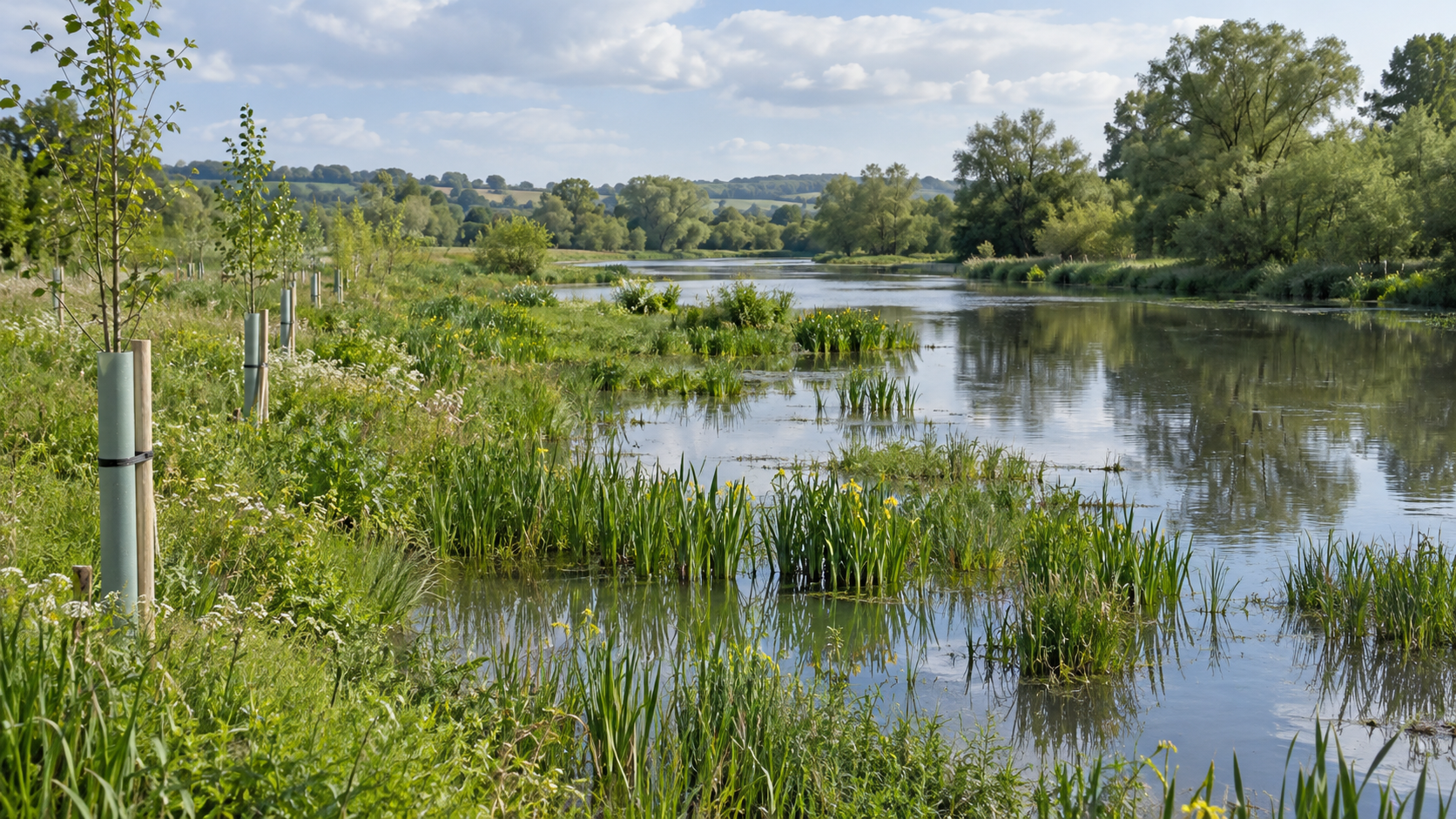
The European Commission announced on 1 September 2026 that Member States were submitting their draft national nature restoration plans. This marks an important stage in implementing the EU Nature Restoration Regulation, which entered into force in August 2024. The drafts will undergo assessment, with final plans to be completed within one year.
2030 targets and a longer-term roadmap
The national plans explain how countries intend to meet each restoration target up to 2030. They should also provide a strategic overview of targets and planned action for 2040 and 2050. These documents are central tools for helping national authorities organise and scale up restoration work. Identifying potential synergies with water and climate policies, alongside agricultural, forestry, marine and fisheries policies, is another important element. The aim is to coordinate restoration measures so they benefit biodiversity while also contributing to other EU policy areas.
Official source: European Commission — Environment ↗Drafts will be assessed and observations published
Over the coming months, the Commission will assess the drafts with support from the European Environment Agency and provide observations to Member States. Conducted in cooperation with national authorities, this assessment will help improve and refine the plans. The Commission’s observations will be public, while final responsibility for their content remains with Member States. The Regulation accounts for national, regional and local differences in implementation. Countries can tailor their plans to ecological, geographic and socioeconomic conditions and build on existing policies and measures. Plans can be reviewed and updated where appropriate, allowing lessons from implementation to inform subsequent work.
Official source: European Commission — Environment ↗Participation and locally adapted implementation
According to the Commission, many Member States are preparing plans through cooperation across sectors and departments, with structured stakeholder involvement. This approach is considered essential for measures to suit local conditions, attract support and work effectively in practice. In several cases, support schemes and public-private partnerships are also being developed to involve land managers, sea users and businesses.
Official source: European Commission — Environment ↗Existing funding and the budget proposal are distinct
The Commission says the current Multiannual Financial Framework provides several funding sources relevant to nature. Programmes established by Member States, regions and municipalities also contribute to restoration. Countries are encouraged to continue mobilising cross-sector national budgets and attracting private funding. For 2028–2034, the Commission has proposed explicitly embedding national restoration plans in the 35% climate and environment spending benchmark. This is a future budget proposal, not a newly enacted financing rule. The Commission will provide further analysis of financing needs and available resources after draft plans have been submitted and budget negotiations have advanced sufficiently.
Official source: European Commission — Environment ↗Related news
European moth Red List: Nearly 11% of assessed species face extinction risk ↗
EU water assessments expanded as pollution and river-flow pressures persist ↗
Commission finds EU waste battery recycling targets remain appropriate ↗