
Türkiye regulations · 26 October 2026
Renewables reach 63.1% of Türkiye’s installed electricity capacity
Ministry figures put total installed capacity at 127,355 MW at the end of September, including 80,315 MW of renewables. Renewable sources supplied 56.9% of September’s electricity generation. [Source](https://enerji.gov.tr/haber-detay?id=31953)
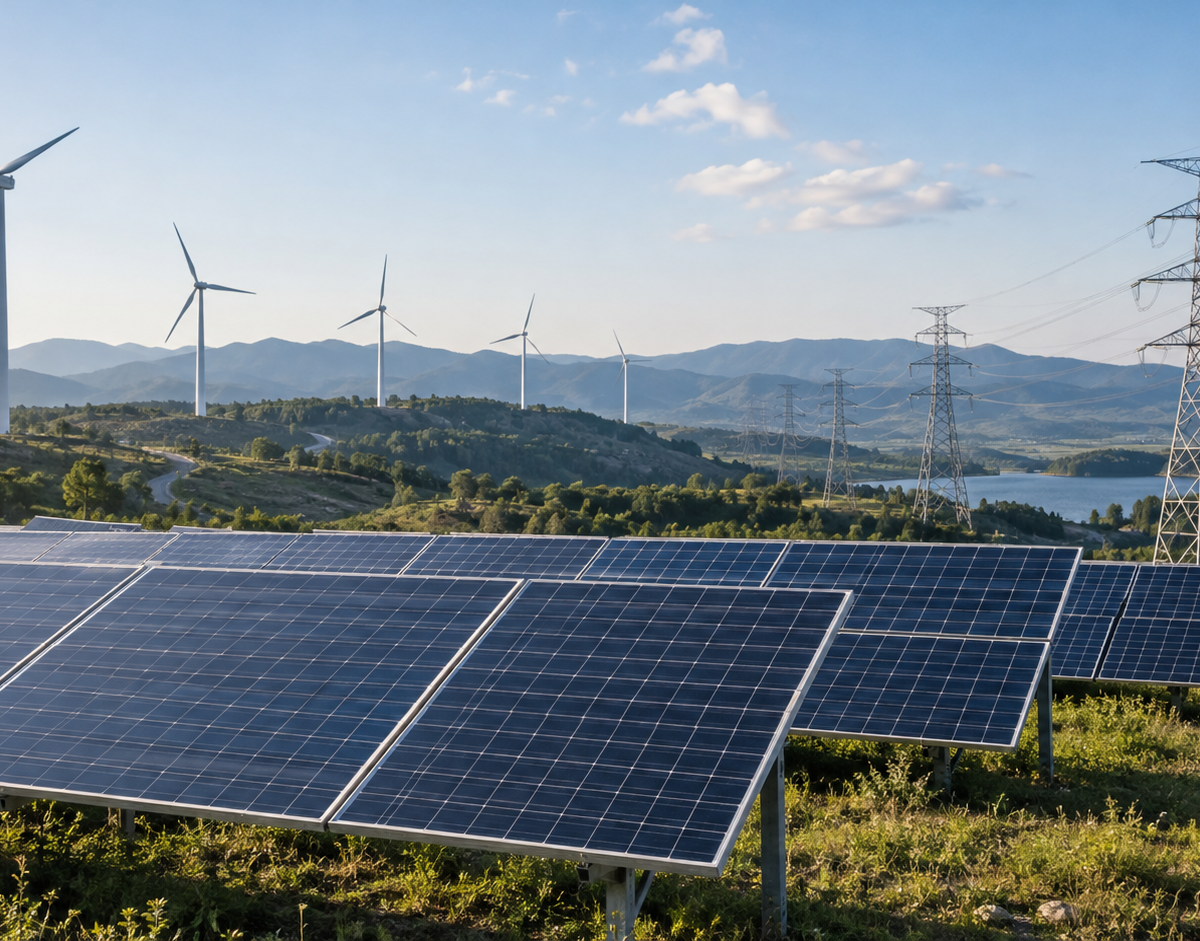
Türkiye’s installed electricity capacity reached 127,355 megawatts at the end of September, according to an announcement published by the Ministry of Energy and Natural Resources on 25 October 2026. Renewable capacity stood at 80,315 megawatts. The announcement covers both installed capacity by source and electricity generation during September. [Source](https://enerji.gov.tr/haber-detay?id=31953)
Hydropower leads installed capacity
Renewables accounted for 63.1% of total installed capacity, while domestic sources represented 72.1%. Hydropower was the largest source in the capacity breakdown, at 32,332 megawatts and a 25.4% share. Solar followed with 28,222 megawatts. Natural gas capacity stood at 25,009 megawatts, representing 19.6% of the total. [Source](https://enerji.gov.tr/haber-detay?id=31953) Domestic coal accounted for 11,565 megawatts, or 9.1%, and imported coal for 10,466 megawatts, or 8.2%. Biomass capacity was 2,423 megawatts and geothermal capacity was 1,798 megawatts. Their respective shares of total installed capacity were 1.9% and 1.4%. [Source](https://enerji.gov.tr/haber-detay?id=31953)
Official source: Ministry of Energy and Natural Resources ↗Solar and wind capacity totals 43,762 megawatts
Solar’s share of total installed capacity reached 22.2%. Wind capacity stood at 15,540 megawatts, accounting for 12.2%. Together, the two sources reached 43,762 megawatts and a combined share of 34.4%. These capacity figures describe the position at the end of September; electricity generated during the month is reported separately in the ministry’s announcement. [Source](https://enerji.gov.tr/haber-detay?id=31953)
Official source: Ministry of Energy and Natural Resources ↗Renewables supply 56.9% of September generation
Total electricity generation in September was 31.79 billion kilowatt-hours. Hydropower remained the largest generating source, providing 8.27 billion kilowatt-hours, or 26%. Solar produced 4.32 billion kilowatt-hours and wind generated 3.84 billion kilowatt-hours. Their respective generation shares were 13.6% and 12.1%, with combined output reaching 8.16 billion kilowatt-hours. [Source](https://enerji.gov.tr/haber-detay?id=31953) Total renewable generation reached 18.10 billion kilowatt-hours, representing 56.9% of monthly output. Domestic sources supplied 22.35 billion kilowatt-hours, or 70.3%. The announcement therefore reports domestic and renewable shares separately for both installed capacity and actual electricity generation. [Source](https://enerji.gov.tr/haber-detay?id=31953)
Official source: Ministry of Energy and Natural Resources ↗Bayraktar highlights security of supply
Commenting on the 70.3% domestic generation share, Energy and Natural Resources Minister Alparslan Bayraktar said foreign dependence in electricity generation had fallen below 30%. He said Türkiye would continue expanding its electricity capabilities and use domestic and renewable resources to strengthen supply security and support economic development. The announcement presents statistics and the minister’s assessment; it does not announce a new legal obligation or regulatory timetable. [Source](https://enerji.gov.tr/haber-detay?id=31953)
Official source: Ministry of Energy and Natural Resources ↗Related news
Ministry says solar now supplies 90% of electricity for its central buildings ↗
COP31 preparations emphasise implementation, lower-emission transport and adaptation ↗
Türkiye-Slovakia JETCO talks explore environmental and water cooperation ↗