Global developments · 9 October 2026
EU and Germany sign joint statement on water resilience
The statement covers pollution reduction, treatment upgrades and drought preparedness. Germany is the first country to complete the Commission’s structured dialogue process.
European Commissioner for the Environment Jessika Roswall and Germany’s Federal Environment Minister Carsten Schneider signed a joint statement on strengthening water resilience in Berlin on 5 October 2026. It sets out Germany’s planned actions and the support the Commission will provide. [Source](https://environment.ec.europa.eu/news/roswall-schneider-commit-stronger-eu-water-enforcement-2026-10-05_en)
First structured dialogue completed
Germany is the first country to complete the structured dialogue launched by the Commission in November 2025, which will gradually involve all Member States. Building on Germany’s National Water Strategy, the statement addresses restoring and protecting the water cycle, developing a more water-smart economy, and ensuring safe, affordable access to water and sanitation. The announcement concerns agreed work to strengthen implementation of existing EU water legislation, rather than the adoption of a new regulation. [Source](https://environment.ec.europa.eu/news/roswall-schneider-commit-stronger-eu-water-enforcement-2026-10-05_en)
Official source: European Commission — Environment ↗Pollution and treatment priorities
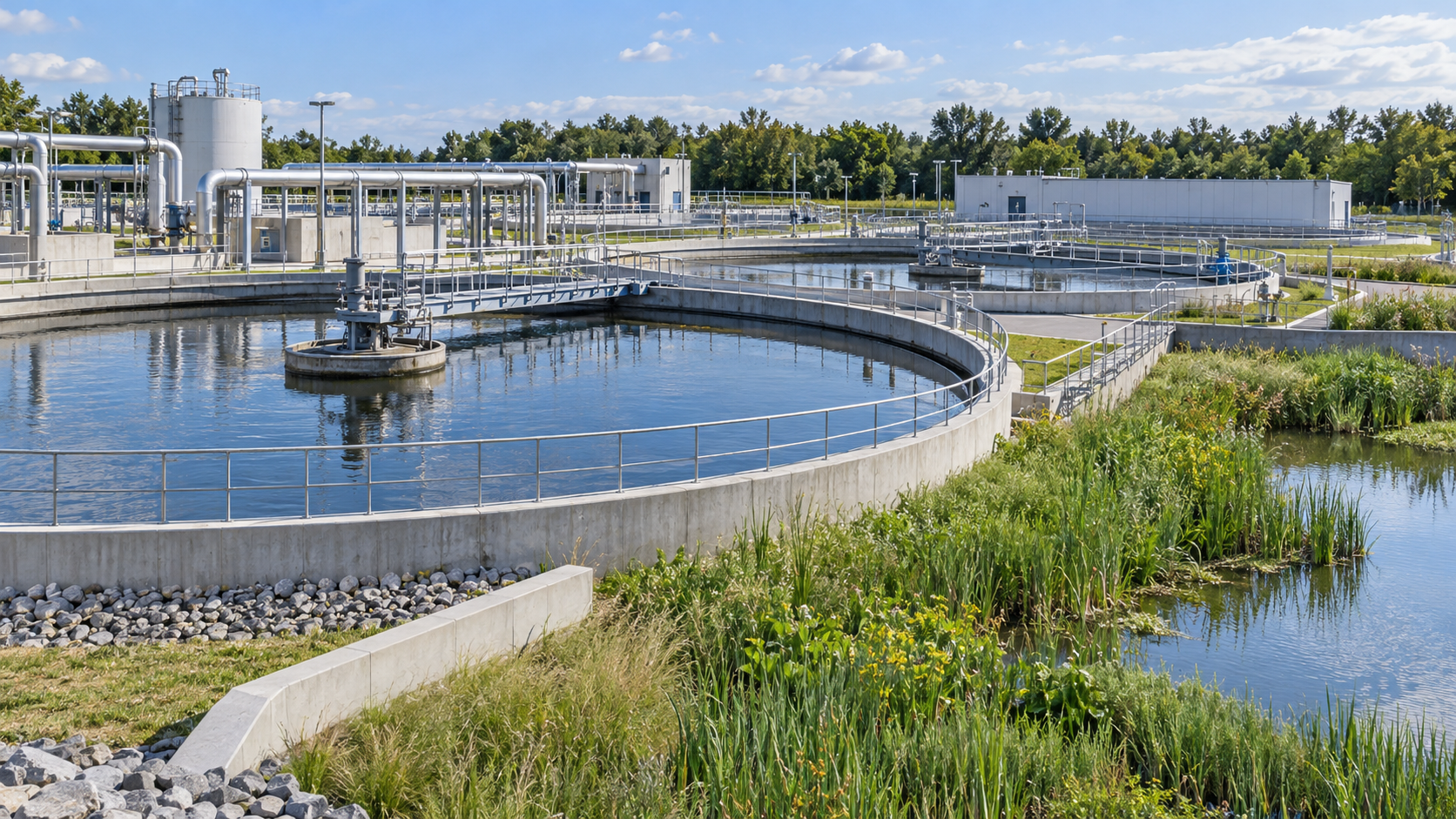
Tackling water pollution is a central priority. Measures include reducing pollution left by past mining activities and supporting the transition to sustainable agriculture. Where necessary, Germany will upgrade existing water treatment plants with an additional pollutant removal stage. These improvements are intended to help remove pharmaceutical residues, pesticides, PFAS and other micropollutants that current facilities cannot effectively eliminate. The statement also covers restoring aquatic ecosystems, identifying major water-quality risks in drinking water catchments and taking stronger preventive measures against those risks. [Source](https://environment.ec.europa.eu/news/roswall-schneider-commit-stronger-eu-water-enforcement-2026-10-05_en)
Official source: European Commission — Environment ↗Drought preparedness and local capacity
Germany will work to increase natural water retention, keep water abstraction at sustainable levels, improve water efficiency and strengthen control of water resources. Cooperation with the Federal States will accelerate to improve preparedness for future water scarcity and drought. Supporting municipalities and local actors, including through skills development, is also among the planned steps. The work therefore extends beyond treatment facilities to the protection of water resources and the capacity to implement measures locally. [Source](https://environment.ec.europa.eu/news/roswall-schneider-commit-stronger-eu-water-enforcement-2026-10-05_en)
Official source: European Commission — Environment ↗Commission support and technical groundwork
Through the European Water Resilience Strategy, the Commission will support research and innovation, digitalisation and skills development, while facilitating public and private investment in green-blue infrastructure. The statement draws on Commission assessments of the third River Basin Management Plans and second Flood Risk Management Plans, alongside technical discussions. That process identified areas requiring faster implementation and improvement. The Commission also highlights the role of countries, cities, regions and other stakeholders in meeting Europe’s water resilience objectives by 2050. [Source](https://environment.ec.europa.eu/news/roswall-schneider-commit-stronger-eu-water-enforcement-2026-10-05_en)
Official source: European Commission — Environment ↗Related news
European moth Red List: Nearly 11% of assessed species face extinction risk ↗
EU water assessments expanded as pollution and river-flow pressures persist ↗
Commission finds EU waste battery recycling targets remain appropriate ↗