
Global developments · 24 November 2026
Antalya Ocean and Seas Accord published: Joint action without new obligations
Published under COP31, the accord seeks to strengthen ocean-based climate action, ecosystem protection and access to finance through existing mechanisms.
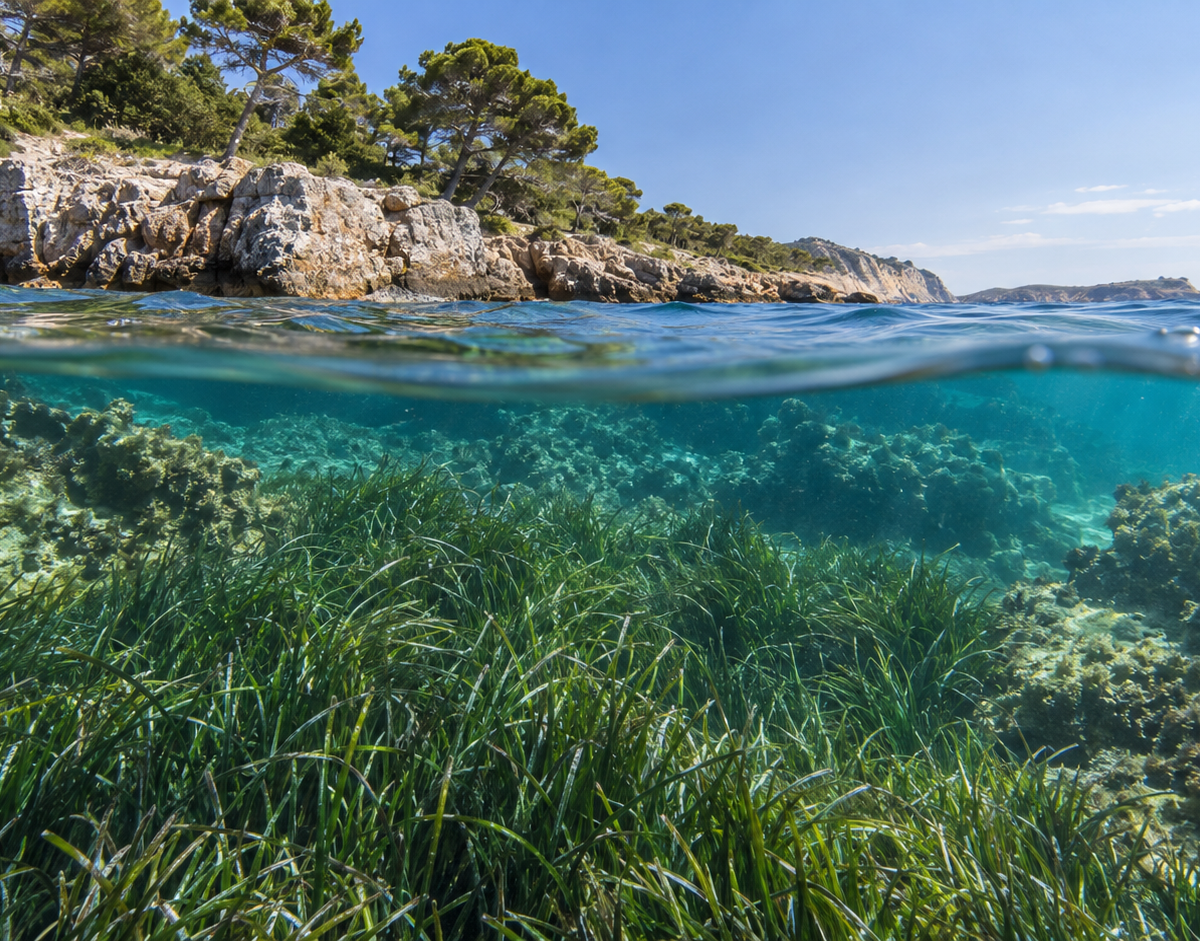
According to the Environmental Management Directorate’s announcement dated 17 November 2026, the COP31 Presidency has published the Antalya Ocean and Seas Accord. It aims to accelerate ocean-based climate action through stronger partnerships and improved access to finance. Rather than creating new obligations or mechanisms, it focuses on coordination among existing initiatives. [Source](https://cygm.csb.gov.tr/haberler/antalya-okyanus-ve-denizler-mutabakati-yayimlandi-307448)
Implementation through existing plans
The accord aims to support efforts under the UN Framework Convention on Climate Change and the Paris Agreement, including limiting global warming to 1.5°C above pre-industrial levels. Parties are invited to strengthen consideration of ocean-related mitigation, adaptation and resilience in existing national planning processes. Nationally Determined Contributions and National Adaptation Plans are included where relevant. The approach draws on scientific evidence and experience without duplicating existing processes or mechanisms. Source
Official source: Ministry of Environment — Environmental Management ↗Focus on the Mediterranean and coastal communities
The text highlights threats from Mediterranean heatwaves, wildfires, droughts and floods to food security, biodiversity, coastal resilience and livelihoods. It calls for stronger regional dialogue among Mediterranean countries, building on existing institutional frameworks. Establishment of the Climate Change Regional Activity Centre in Istanbul, within the UNEP Mediterranean Action Plan and Barcelona Convention system, is also acknowledged as Türkiye’s contribution to regional cooperation. Particular attention is given to the severe consequences of sea-level rise for small island states and low-lying coastal communities. Source
Official source: Ministry of Environment — Environmental Management ↗Ecosystem protection and sustainable use
The accord calls for climate action supporting the protection and restoration of mangroves, seagrasses, coastal wetlands and coral reefs. These efforts aim to support carbon storage, protect biodiversity and strengthen resilience. The text also addresses sustainable fisheries and aquaculture, responsibly developed offshore renewable energy, and electrification and emissions reductions in coastal activities. These are presented as areas for joint action rather than new mandatory requirements. Source
Official source: Ministry of Environment — Environmental Management ↗Finance, early warning and sharing progress
Ocean observations, forecasting capacity and early warning systems are identified as foundations for effective climate action. Relevant institutions are invited to provide technical assistance, simplify access procedures and support preparation of investment-ready projects. The Climate Implementation Bridge, developed by the COP31 Presidency with UNDP, is also referenced as a channel for partnerships between financial institutions and implementing partners. Participating initiatives are encouraged, where possible, to identify their contributions to the accord’s priorities and share progress through existing channels. Source
Official source: Ministry of Environment — Environmental Management ↗Related news
COP31 and OECD DAC roundtable examines private capital mobilisation through BRIDGE ↗
COP31 and OECD DAC discuss private capital mobilisation and BRIDGE ↗
COP31 introduces cooperation initiatives on ocean data, marine litter and Antarctica ↗