
Global developments · 24 November 2026
COP31 and OECD DAC discuss private capital mobilisation and BRIDGE
The roundtable addressed BRIDGE’s five pilot countries, its electrification target and the contribution sought from development finance institutions.
The COP31 Presidency and the OECD Development Assistance Committee (DAC) held a high-level roundtable on mobilising private capital for country-led implementation in emerging markets and economies. According to the Climate Change Presidency’s announcement dated 17 November, Deputy President Mehrali Ecer spoke on behalf of the COP31 Presidency, focusing on translating national climate plans into investment programmes. [Source](https://iklim.gov.tr/cop31-baskanligi-ve-oecd-dac-is-birliginde-ozel-sermaye-mobilizasyonu-toplantisi-duzenlendi-haber-7056)
Where finance goes matters alongside its volume
Citing OECD figures, Ecer said private finance mobilised through official development finance reached US$77 billion in 2024, with cumulative mobilisation exceeding US$600 billion since 2012. However, he said mobilisation remained well below needs, particularly in emerging markets. His remarks emphasised not only the amount raised but also whether investment reaches countries’ own climate and development priorities, including sectors and markets where risks remain high. Source
Official source: Climate Change Presidency (İklim Değişikliği Başkanlığı) ↗BRIDGE advances with five pilot countries
Under the COP31 Action Agenda, the Climate Implementation Bridge (BRIDGE), working with implementation partner UNDP, brings together stronger national capacity, investment-ready project pipelines and financing partnerships. Ecer stressed that it is not a new fund or financial institution. Work began with Ethiopia, Fiji, Indonesia, Pakistan and Uzbekistan. Drawing on their experience, the initiative aims to broaden country participation towards COP32 in Addis Ababa, using existing institutions and partnerships. Source
Official source: Climate Change Presidency (İklim Değişikliği Başkanlığı) ↗Electrification is the first sectoral focus
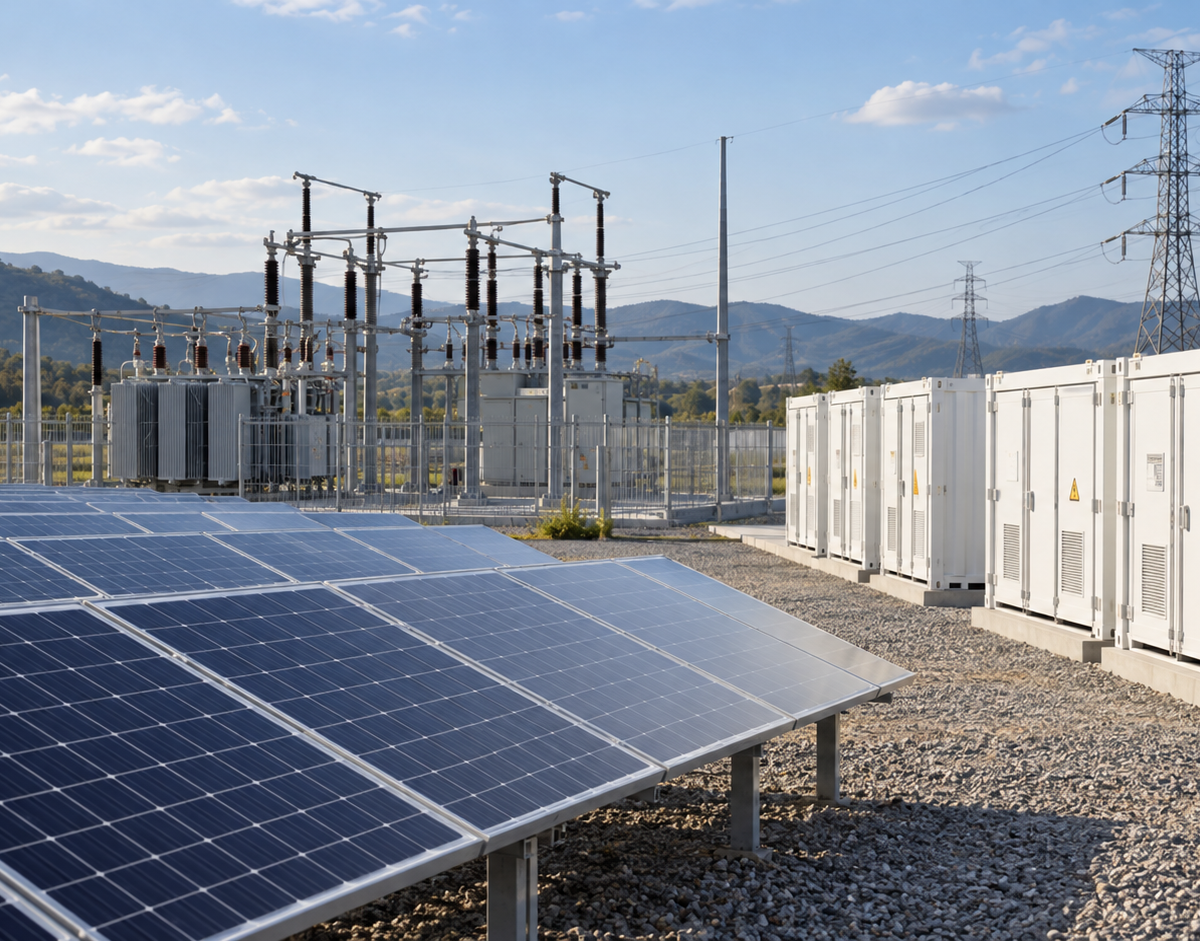
Ecer identified electrification as the initial sectoral focus. The “35 by 35” target aims to increase electricity’s share of final energy consumption to 35% by 2035. His remarks pointed to the need for investable opportunities in clean energy, grids, storage and end-use electrification. These opportunities should align with each country’s needs and priorities. The announcement presents this as an initiative’s target, not an enacted obligation for companies. Source
Official source: Climate Change Presidency (İklim Değişikliği Başkanlığı) ↗Development banks urged to participate early
Development banks and development finance institutions were urged to act not only as financiers but also as early partners in project preparation, risk assessment and investment structuring. Ecer advocated adapting guarantees, concessional finance, blended finance and other risk-sharing tools to country and project needs. Private capital should complement rather than replace public finance, particularly for adaptation, resilience and the most vulnerable countries. Ahead of COP32, he invited partners to identify practical steps to mobilise financing through BRIDGE. Source
Official source: Climate Change Presidency (İklim Değişikliği Başkanlığı) ↗Related news
COP31 and OECD DAC roundtable examines private capital mobilisation through BRIDGE ↗
COP31 introduces cooperation initiatives on ocean data, marine litter and Antarctica ↗
Kurum calls for consensus ahead of decisions at COP31 closing session ↗