
Türkiye regulations · 15 November 2026
Bolat stresses predictability and finance for industrial decarbonisation at COP31
At TOBB’s Business and Investment Summit, Bolat linked carbon pricing, CBAM implementation and cleaner production investment to industrial competitiveness.
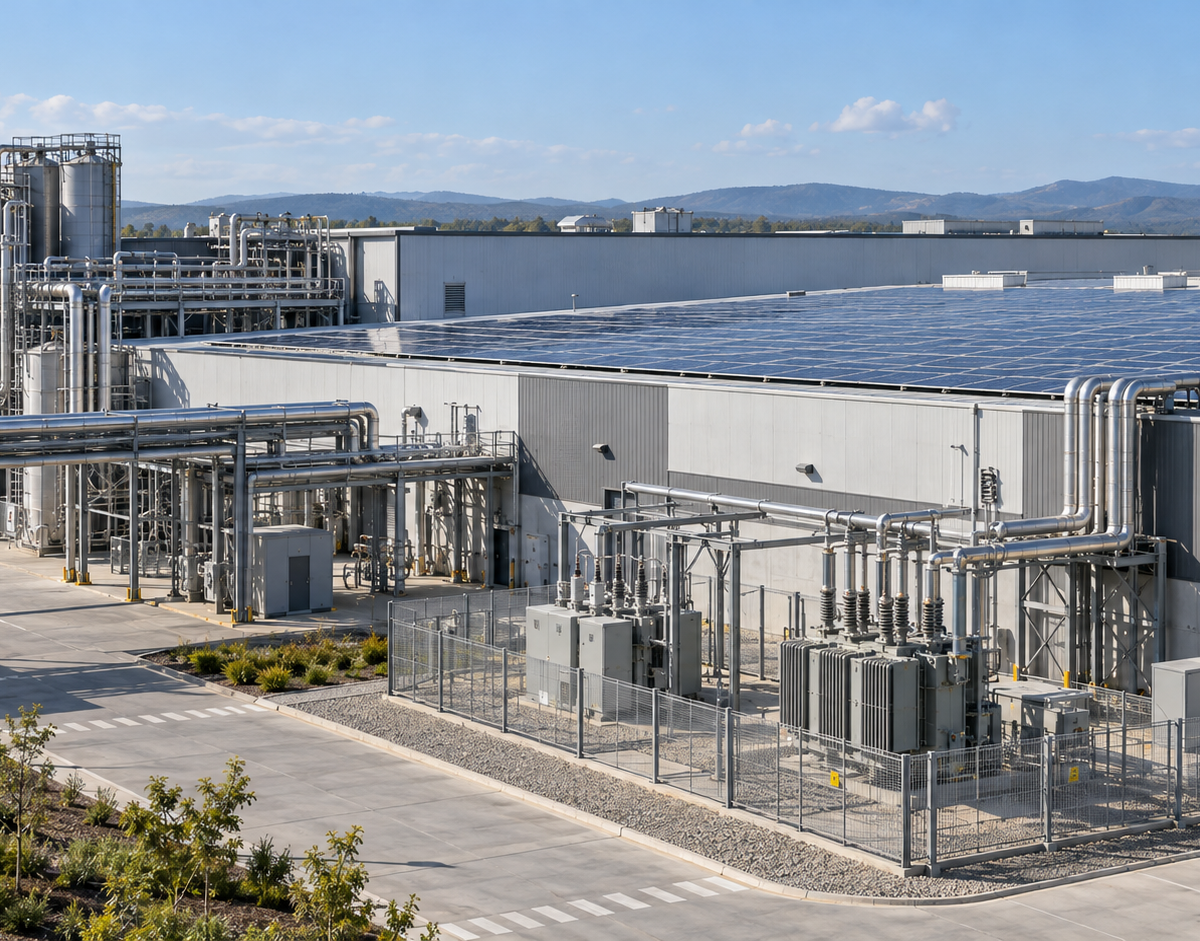
Trade Minister Ömer Bolat said industrial decarbonisation should both reduce emissions and strengthen competitiveness at TOBB’s Business and Investment Summit during COP31 in Antalya. According to the ministry’s announcement dated 12 November, he stressed Türkiye’s commitment to accelerating investment with international partners. [Source](https://ticaret.gov.tr/haberler/iklim-zirvesi-cop31-antalya-ticaret-bakani-omer-bolat-tobbun-is-ve-yatirim-zirvesinde-konustu)
Investment visibility through carbon pricing
Speaking on a panel about decarbonisation and competitiveness, Bolat highlighted three areas addressed by the Industrial Decarbonisation Working Group’s recommendations. The first was credible carbon pricing that gives companies confidence to invest. Large projects take time to deliver results, he said, making clear and predictable rules, including future carbon costs, important. Bolat stated that Türkiye’s Climate Law provided the legal basis for the ETS, which entered its pilot phase in 2026, and that the Green Deal Action Plan had been updated for 2026–2030. Source
Official source: Ministry of Trade ↗Accurate emissions treatment under CBAM
The second area concerned carbon costs in international trade. Bolat said Türkiye was the EU’s second-largest supplier of CBAM-covered products during the transitional period, with approximately 48% of these sectors’ exports going to the EU in 2025. He accepted the mechanism’s carbon-leakage prevention objective, while calling for actual emissions performance to be reflected accurately and carbon prices paid in Türkiye to be considered under applicable rules. The Türkiye-EU CBAM Working Group was addressing default values, verification arrangements and renewable electricity, he said. Source
Official source: Ministry of Trade ↗Product requirements and environmental benefits
Bolat highlighted resource efficiency and the circular economy as important for emissions reductions, raw-material use and competitiveness. He identified recycled-content rules, environmental footprint calculations and digital product passports as product-level requirements accompanying this transition. These should deliver genuine environmental benefits without creating unnecessary trade barriers or additional administrative and financial burdens, he said. These remarks express policy positions; the announcement does not set out a new implementation timetable. Source
Official source: Ministry of Trade ↗Turning plans into investment
Third, Bolat called for decarbonisation plans to become concrete investment decisions. Cooperation among governments, development banks, technology providers and industrial companies was important to finance cleaner production and establish reliable demand for low-carbon products. He said revenue from the national ETS was envisaged as supporting the green transition and industrial decarbonisation. The announcement presents this as an intended use of revenue, rather than completed expenditure or a specified funding allocation. Source
Official source: Ministry of Trade ↗Related news
COP31 panels highlight €38 billion investment need for Türkiye’s industrial transition ↗
Kurum outlines 2035 targets and climate finance mechanism at COP31 panel ↗
Bayraktar says Akkuyu physical startup is planned within weeks ↗