
CBAM & climate · 24 November 2026
CBAM expands to Norway and Iceland on 1 January 2027
The European Commission announced that CBAM will cover imports into Norway and Iceland. The annual 50-tonne threshold will apply across the shared area, with mutual recognition of authorisations.
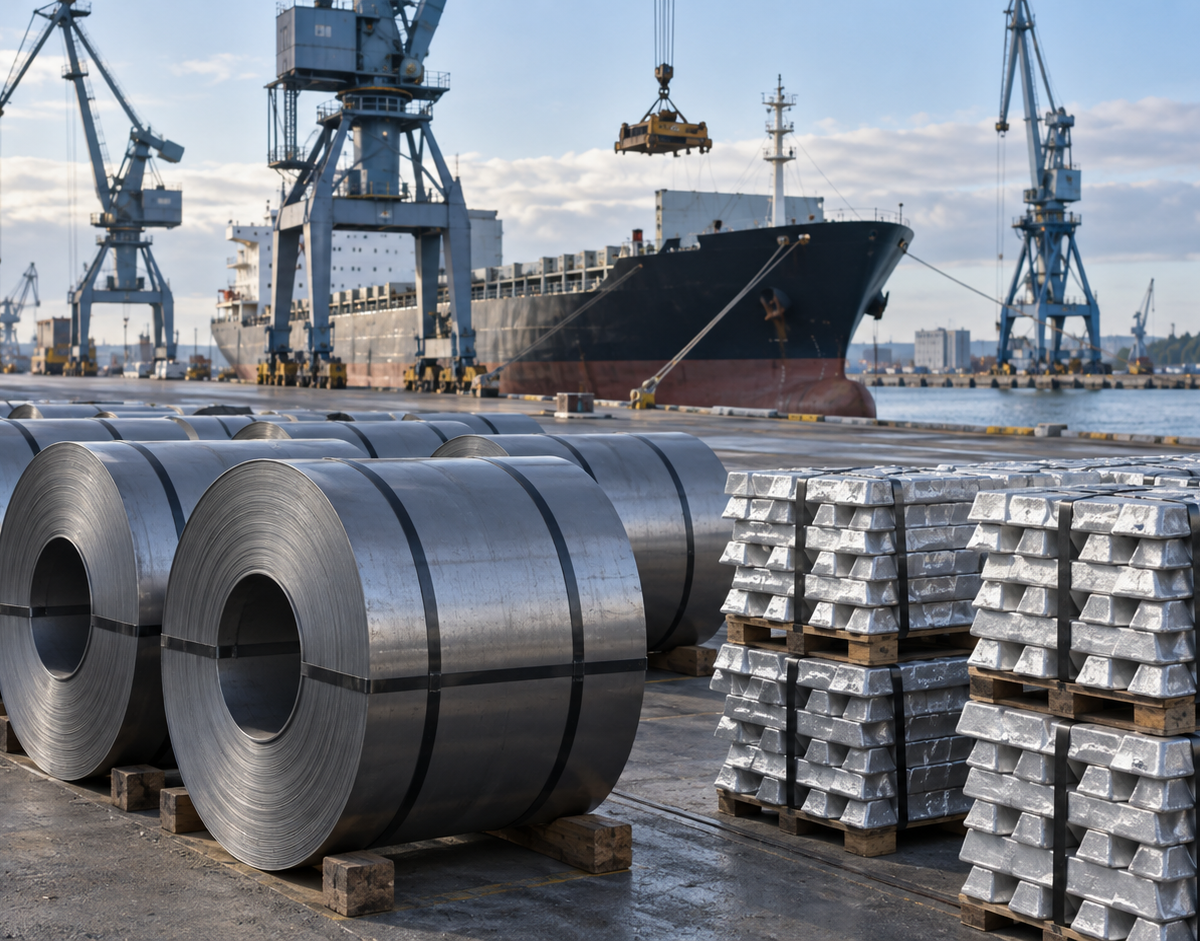
The EU Carbon Border Adjustment Mechanism (CBAM) will apply to covered imports into Norway and Iceland from 1 January 2027, according to the European Commission’s announcement dated 18 November 2026. The extension follows the entry into force of European Economic Area (EEA) Joint Committee Decision No 283/2026. [Source](https://taxation-customs.ec.europa.eu/news/extension-cbam-iceland-and-norway-2026-11-18_en)
Decision in force, application from January
The decision entered into force on 18 November 2026, incorporating Regulation (EU) 2023/956 establishing CBAM into the EEA Agreement. This is therefore an announcement of implementation following an adopted decision, not a proposal. The EU’s definitive period began on 1 January 2026. Liechtenstein remains outside the CBAM area. The Commission says the extension supports more consistent carbon pricing rules and greater transparency on imported goods’ embedded emissions. Source
Official source: European Commission — CBAM Communication and News ↗A shared 50-tonne threshold
Electricity and hydrogen imports fall under CBAM regardless of quantity. For aluminium, iron and steel, fertilisers and cement, CBAM applies to imports exceeding an annual cumulative threshold of 50 tonnes. That threshold will cover imports into the EU, Norway and Iceland taken together, rather than being calculated solely within one customs territory. The three territories will be treated as a single CBAM area for this calculation. Source
Official source: European Commission — CBAM Communication and News ↗Authorisation steps for importers
Importers established in Norway or Iceland exceeding the applicable threshold, or their indirect customs representatives, will need authorised CBAM declarant status. Applications must be submitted through the CBAM Registry’s Authorisation Management Module before importing CBAM goods. The Commission mentions certain flexibilities for applications submitted by 31 March 2027, but does not explain their details. The announcement therefore does not establish that this date represents a general postponement of obligations. Source
Official source: European Commission — CBAM Communication and News ↗Authorisations recognised across the area
CBAM authorisations will be mutually recognised. Importers established in Norway or Iceland will be able to use authorisations issued there to import into the EU, and vice versa. They will not need an indirect customs representative for CBAM purposes when importing into the EU; the same approach applies in the reverse direction. Norway and Iceland will not be treated as third countries for CBAM purposes. Source
Official source: European Commission — CBAM Communication and News ↗EORI, TIN and verifier registration
Norway and Iceland use Trader Identification Numbers (TINs), rather than EORI numbers. Their customs authorities will check CBAM account numbers issued in the EFTA States against the corresponding TIN. Importers established there must obtain an EORI number before importing into the EU. EU companies importing into Norway or Iceland using an EU CBAM account will need a TIN. Registration of verifiers accredited by the two countries begins on 1 December 2026. Source
Official source: European Commission — CBAM Communication and News ↗Related news
Bolat: Turkish steel exports to EU under CBAM fell 1.7% ↗
Commission CBAM webinar follow-up highlights preparations for 30 September 2027 ↗
COP31 and OECD DAC roundtable examines private capital mobilisation through BRIDGE ↗