Türkiye regulations · 26 November 2026
Türkiye’s COP31 Oceans and Seas Pavilion concludes after 61 panels
According to the ministry’s 20 November announcement, the Antalya pavilion addressed marine climate adaptation, blue carbon, sustainable shipping and marine pollution.
Türkiye’s Oceans and Seas Pavilion at COP31 in Antalya has completed its activities, according to a 20 November 2026 announcement from the General Directorate of Environmental Management. Operating in the Blue Zone, the pavilion hosted 61 panels during the conference, focusing on marine ecosystem protection, climate adaptation and efforts to tackle marine pollution. [Source](https://cygm.csb.gov.tr/haberler/cop31-de-turkiye-okyanus-ve-denizler-pavilyonu-61-panele-ev-sahipligi-yapti-307552)
Oceans and seas receive a dedicated agenda theme
The announcement states that “Oceans and Seas” appeared as a standalone theme in the Action Agenda for the first time at the conference, hosted by Türkiye on 9–20 November. Coordinated by the General Directorate of Environmental Management, the panels brought together national and international public institutions, civil society organisations, academics and private-sector representatives. Discussions covered scientific research, policy proposals and opportunities for international cooperation, with marine and coastal ecosystem protection addressed at an international level. Source
Official source: Ministry of Environment — Environmental Management ↗Climate pressures and blue carbon
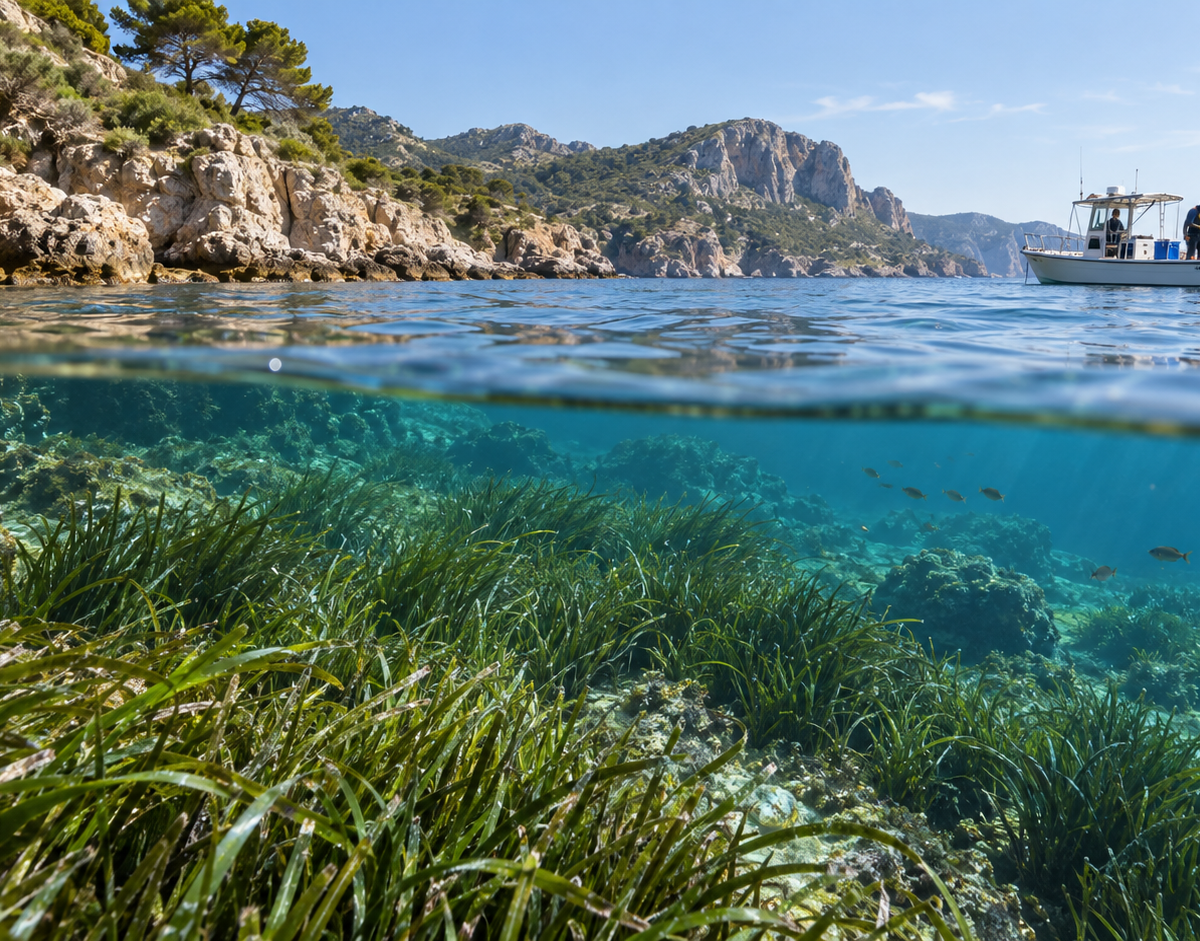
Panels examined rising seawater temperatures, ocean acidification, oxygen loss, sea-level rise and pressures on biodiversity. Participants considered scientific adaptation strategies and work to strengthen marine ecosystems’ resilience. The programme also addressed the carbon-storage capacity of mangrove forests, seagrass meadows, coastal wetlands and coral reefs. International work on expanding marine protected areas, blue carbon applications and improving coastal ecosystems’ climate resilience formed another part of the discussions. Source
Official source: Ministry of Environment — Environmental Management ↗Shipping transition and the blue economy
Sessions on sustainable shipping and the blue economy covered maritime decarbonisation, green port practices and renewable energy sources. Digital twin technologies and sustainable blue economy models were also discussed, alongside scientific research conducted in Antarctica. The announcement presents these subjects as conference discussion topics; it does not announce new legislation, binding targets or an implementation timetable for them. The work considered during the sessions should therefore be distinguished from obligations that have entered into force. Source
Official source: Ministry of Environment — Environmental Management ↗Marine litter and local waste infrastructure
Activities under Türkiye’s Zero Waste Blue Movement also featured in the programme. Topics included tackling marine litter, removing ghost nets, reducing marine waste and strengthening local authorities’ waste-management infrastructure. The announcement highlights the importance of developing field projects and global partnerships to protect marine and coastal ecosystems. It reports that the pavilion completed its work by bringing national and international stakeholders together around these issues, but does not provide a separate list of decisions or commitments adopted as a result of the discussions. Source
Official source: Ministry of Environment — Environmental Management ↗Related news
Paint storage facility fined TRY 2.346 million over pollution in Şana Stream ↗
Energy budget clears committee as Bayraktar outlines 2040 consumption targets ↗
National Energy 2040: Türkiye targets 175 GW of solar and wind ↗